The Hidden Reason Most SMEs Struggle With Marketing
Most SME business owners think they need “better marketing” - but the real issue is simpler: their growth engine doesn’t exist. Marketing efforts are usually scattered across various channels and platforms: a CRM over here, email marketing software over there, a website that looks nice but doesn’t generate leads, and an agency running campaigns in isolation from the sales team.
The result is predictable: more activity, more noise, more tools, but not more growth.
When systems don’t talk to each other, your sales and marketing teams rely on personal connections, memory, and manual admin to keep things moving. Follow-up becomes inconsistent, CRM data becomes messy, and potential customers quietly drop out of your customer journey.
💡 Key Insight:If your tools don’t talk to each other, your business will always rely on people remembering, chasing, and manually “holding the system together”.
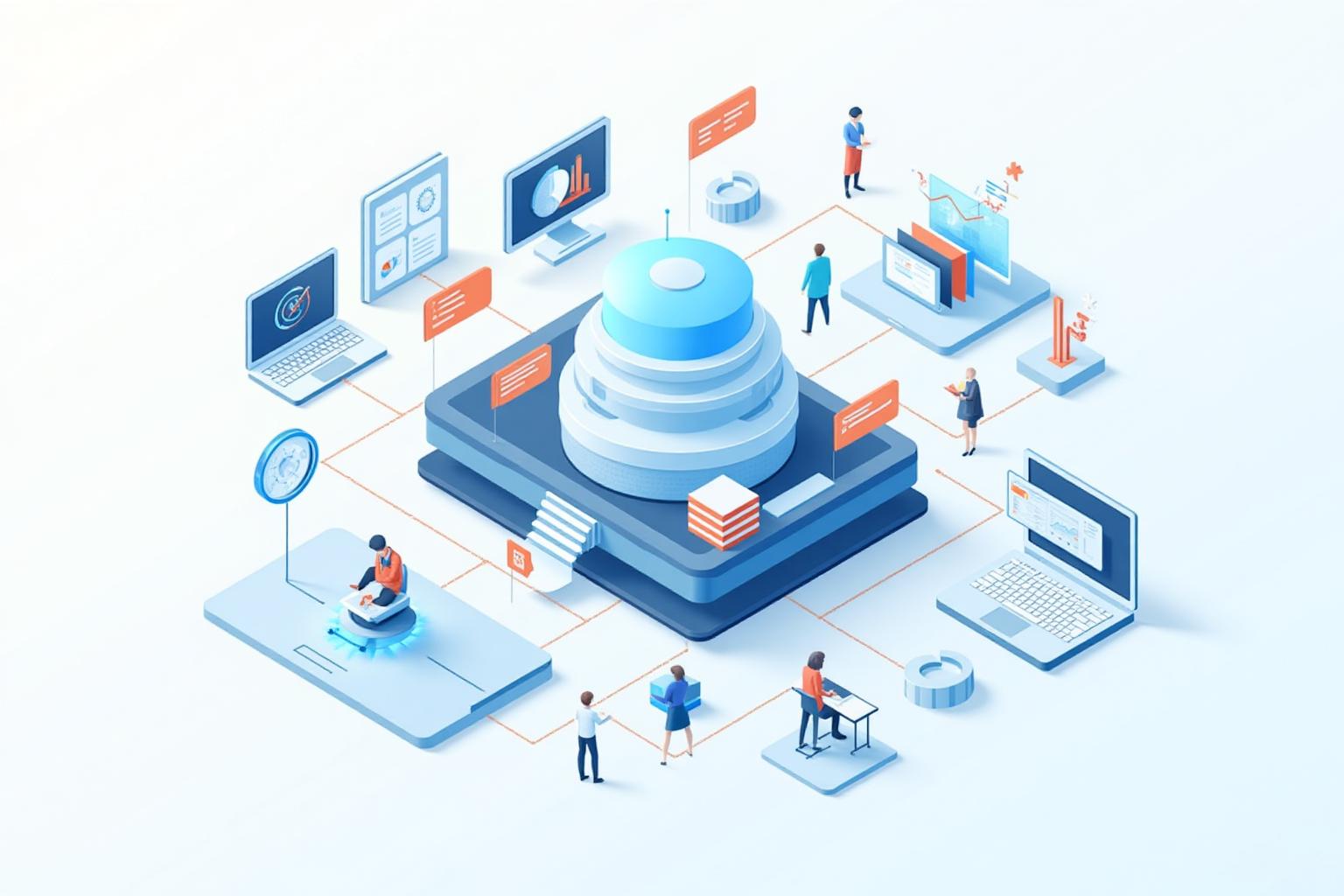
A Business Growth Engine (BGE) fixes this by unifying your website, CRM, automation, messaging, reviews, analytics, and marketing campaigns into one platform that generates predictable lead flow without constant human effort.
Below, we define what a BGE is, why small businesses struggle without one, and how it transforms marketing, sales, and customer experience into a predictable, scalable growth system.
What Is a Business Growth Engine?
A Business Growth Engine is a unified marketing and sales system that connects every part of your funnel into a single, always-on engine. Instead of juggling separate tools, the BGE combines:
Your conversion-focused website
CRM or free CRM tools
CRM automation workflows
Marketing automation tools
Review requests and reputation systems
Message marketing (SMS, WhatsApp, email marketing)
Lead scoring and segmentation
PPC, SEO, and content engines
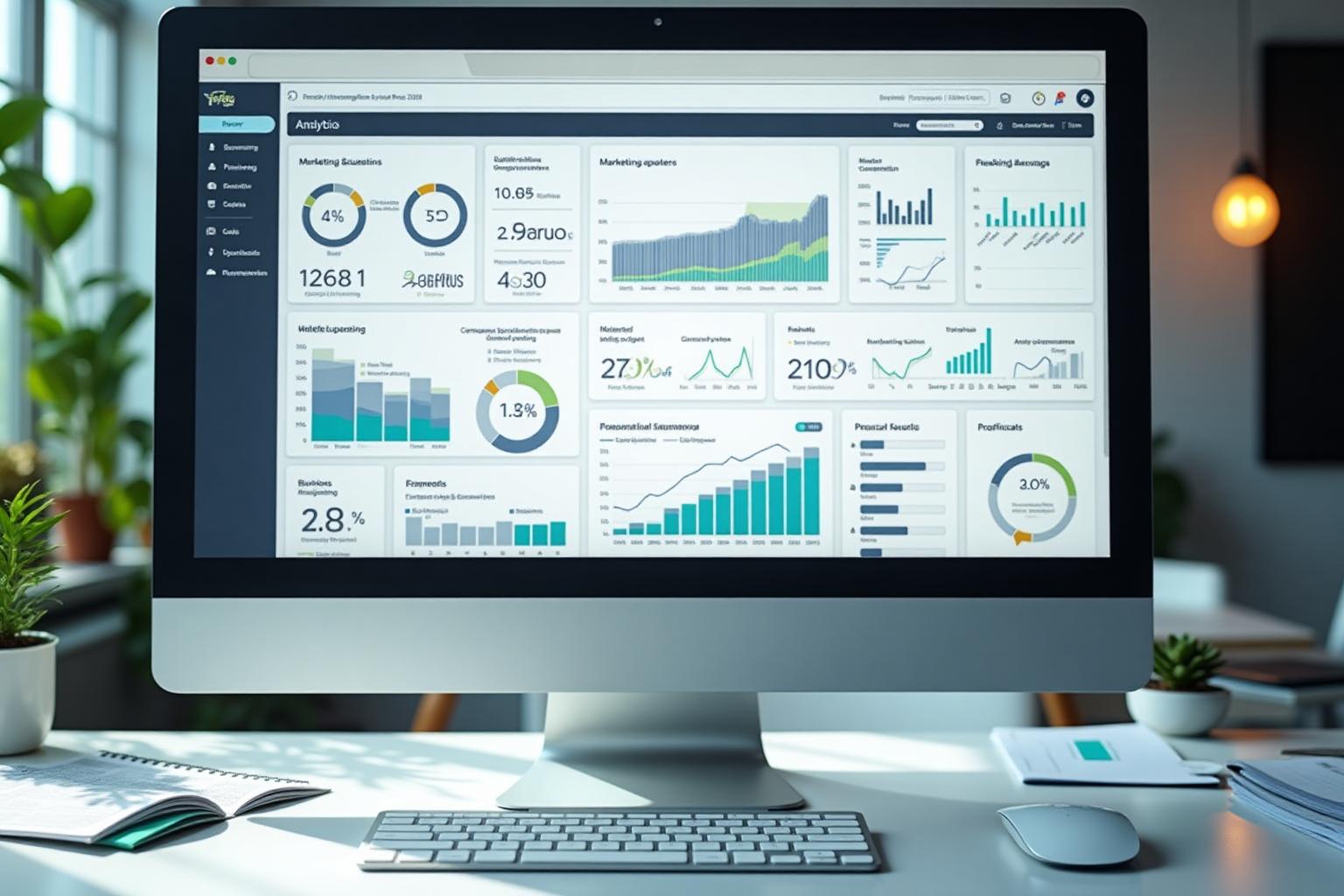
Dashboards showing key metrics and analytics
It aligns marketing campaigns, sales processes, customer experience, and follow-up in one integrated structure. The outcome? Predictable leads, consistent actions across various channels, and complete clarity on what’s working.
Why It’s Different From a Typical “Marketing Stack”
Most SMEs operate a chaotic mix of disconnected tools:
One tool for email marketing
Another for CRM
Multiple platforms for social media
An external agency running advertising
A shared inbox full of leads nobody has time to chase
A website that collects enquiries… sometimes
Spreadsheets trying (and failing) to pull it all together
This isn’t a system. It’s an obstacle course. They’re connected, but not really. Data becomes scattered, follow-up becomes inconsistent, and reporting becomes unreliable.
⚠ Common Mistake:Thinking each new tool or agency will “fix the system”. Without unification, every new addition simply adds more noise.
The Real Problem With Disconnected Tools
Leads fall through the cracks and causes a lack of customer interacting
Your team repeats work across platforms
Campaigns operate in isolation
Reporting becomes guesswork
You spend more but gain less clarity
Your marketing isn’t underperforming because of effort. It’s underperforming because of lack of integration.
Why SMEs Struggle Without a Unified System
1. No Single Source of Truth
If customer data is scattered across inboxes, spreadsheets, CRMs, and agency dashboards, nobody has a full picture.
And what you can’t see, you can’t improve.
2. Leads Disappearing Quietly
Most small businesses lose more deals from failed follow-up than from weak marketing. Without marketing automation or lead scoring, hot leads cool down within hours.
3. No Clear ROI Across Channels
If your social posts, campaigns, email marketing, and advertising aren’t tracked in one platform, you’ll never know which channels generate qualified leads.
4. Growth Is Campaign-Driven, Not System-Driven
This leads to:
A burst of enquiries
A drop
Another burst
Another drop
No consistency. No predictability. No scalable engine.
💡 Pro Tip:Sustainable growth doesn’t come from “big campaigns”. It comes from a reliable engine that delivers predictable weekly lead flow.
How a BGE Supports the Entire Customer Journey
A true BGE supports customers at different stages of the buyer lifecycle:
Attract
SEO, PPC, reviews, social media, and brand mentions generate leads and bring in new customers.
Convert
Forms, automations, funnels, and personalised sequences turn potential customers into conversations, and conversations into deals.
Close
CRM automation helps sales teams follow up consistently, score leads, and close deals faster.
Delight
Review automation, message reminders, and customer experience workflows to increase customer satisfaction and customer lifetime value.
Retain
Reactivation campaigns help sustain customer relationships, reducing churn and increasing customer lifetime value.
The Core Components of a Business Growth Engine
A true BGE contains six connected components that remove friction from every part of your growth cycle.
The Six Components of a Business Growth Engine
1. Conversion Website
Designed to capture contacts, not merely look nice.
2. CRM or Free CRM Tools
HubSpot CRM, Zoho CRM, or similar platforms store customer data, centralise communication, and support follow-up.
3. Review Automation
Improves reputation, Google ranking, and customer trust.
4. Message Marketing
Automated sequences via email marketing, SMS, WhatsApp, and other platforms.
5. PPC & Lead Generation
Integrated campaigns across various channels, not isolated tactics.
6. Dashboards & Analytics
Measure key metrics, track conversion rate, and provide clarity.
Once these components are connected, you finally have a real engine, not just tools.
How a Business Growth Engine Works Day to Day
Attract
Campaigns, content, and social media drive predictable leads.
Convert
Forms, funnels, CRM automation, and follow-up systems nurture and qualify leads.
Close
Sales teams receive warm, scored leads so they can focus on having real conversations - not digging through inboxes.
Retain
Customer experience automations increase loyalty.
Measure
Real-time dashboards show performance so you can make confident decisions.
Signs Your SME Needs a Business Growth Engine
You likely need a BGE if:
Leads aren't followed up consistently
You rely on tools that don’t integrate
You can’t explain your sales process clearly
ROI across marketing campaigns is unclear
Website visits don’t generate leads
Reviews are inconsistent
Your team spends hours on manual admin
Growth depends on campaigns, not systems
When a BGE Might Not Be Right (Yet)
A BGE is powerful, but only when conditions are right.
It may not be the priority if:
You don’t have product-market fit
Delivery capacity is already stretched
You need instant sales
You’re mid-restructure
⚠ Common Mistake:Installing a Growth Engine before fixing delivery bottlenecks increases volume into a system that may break.
The Results SMEs Can Expect
With a fully connected BGE, small business owners typically see:
Predictable lead flow
More qualified leads
Stronger customer experience
Higher conversion rate
Clear ROI across channels
Less manual work for marketing teams
More deals for the sales team
Better visibility of key metrics
Greater customer satisfaction
Increased customer lifetime value
Success Story:One professional services SME increased monthly leads by 47 percent within 90 days by replacing six tools with a single Growth Engine that automated follow-up and improved conversion visibility.
Is the Business Growth Engine Right for You?
Ask yourself:
Do you want predictable leads each month?
Are you tired of managing tools or agencies?
Do you want clearer ROI?
Are leads going cold without follow-up?
Is reputation critical for winning new business?
Do you want systems that do more of the work?
If you’re nodding along, you’re likely ready for a Growth Engine.
Ready to Build Your Growth Engine?
If you want clarity, confidence, and a practical roadmap tailored to your business, book a Growth Engine Strategy Session.
A clear view of your current gaps
A personalised Growth Engine blueprint
Your next 90-day priorities
Ready to build a system that scales?Book your free Growth Engine Strategy Session and leave with a personalised plan for predictable marketing and sales performance.
FAQs
How long does it take to build a Business Growth Engine?
Most SMEs build a functioning Growth Engine within 4 to 8 weeks, depending on the complexity of their current tools and processes. Once configured, the system continues to improve as automations, dashboards, and message sequences evolve over the first 90 days.
Do I need to replace my existing CRM or tools?
Not always. A Growth Engine can integrate with many existing platforms, although some SMEs choose to consolidate into a single system for simplicity. The key is unification - not necessarily replacement.
Will a Growth Engine help if I’m not generating enough leads?
Yes - but with a nuance. A Growth Engine amplifies your lead generation by improving conversion, follow-up, and reputation. However, if lead flow is extremely low, you may also need PPC, SEO, or content support integrated into the engine.