Most SME founders have a familiar marketing story. At some point, they hired a marketing agency that promised growth, leads, and momentum. The pitch sounded right. The strategy looked sensible. The case studies were convincing. For a short time, there was visible activity - new campaigns, fresh content, dashboards, and regular meetings.
Yet revenue did not change in any meaningful way.
Lead flow remained inconsistent. Sales still relied heavily on referrals, founder effort, or last-minute pushes. Marketing felt busy, but not productive. Eventually, the relationship ended quietly, often with frustration on both sides.
The conclusion many founders reach is simple: marketing agencies do not work for SMEs.
That conclusion is understandable - but it is incomplete.
The real reason marketing agencies fail SMEs is not a lack of creativity, competence, or effort. It is structural. Most agencies are built to deliver activity, while SMEs need systems that create predictable outcomes.
Why Agency Switching Makes the Problem Worse, Not Better
When marketing results fail to materialise, the most common reaction in SMEs is to change agencies. A new supplier promises a fresh approach, a different channel, or a better strategy. For a short time, optimism returns.
But structurally, nothing has changed.
The new agency still sells activity. They still operate within a narrow scope. They still lack ownership of follow-up, conversion, and revenue outcomes. The SME simply resets the same problem with a different logo.
This creates a dangerous cycle. Each agency switch fragments marketing further. Data is lost. Learnings are not carried forward. Systems are never built because each supplier assumes they are temporary.
Over time, the business becomes more sceptical, not more effective. Marketing confidence erodes. Founders become reluctant to invest properly because past spend feels wasted.
The issue is not that agencies are interchangeable. It is that the agency model itself is flawed for SMEs.
A system does not reset when people change. An agency relationship always does.
The Hidden Cost of “Good Enough” Marketing
Many SMEs survive with mediocre marketing for years.
Referrals keep coming in. Existing customers reorder. Founders step in when things slow down. On the surface, the business appears stable, even successful.
But beneath that stability is a growing risk.
When marketing is not systemised, growth depends on personal effort and circumstance. If the founder steps back, lead flow drops. If the market tightens, demand becomes unpredictable. If competition increases, there is no reliable engine to respond.
This is why “good enough” marketing is often more dangerous than obviously broken marketing. It delays the decision to build proper infrastructure.
A systemised marketing engine does not just support growth. It protects the business against volatility, founder dependency, and market shifts.
Why SMEs Delay Installing a Marketing Engine
Even when the logic is clear, many SMEs delay installing a marketing engine.
The reasons are understandable.
First, systems feel heavier than campaigns. They require upfront thinking, integration, and discipline. Second, agencies make marketing look deceptively simple by focusing on tactics. Third, many SMEs assume that systems are something you install later, once the business is “big enough”.
In reality, the opposite is true.
Large organisations can afford inefficiency. SMEs cannot.
Without systems, SMEs pay for marketing multiple times over - in wasted spend, lost leads, slow follow-up, and founder stress. A systemised engine removes waste, improves visibility, and creates leverage.
It also reduces the emotional burden on founders who constantly wonder whether marketing is working.
Once installed, a marketing engine does not replace creativity or experimentation. It gives both a framework that actually converts.
Marketing as Infrastructure, Not Experiment
The most important mindset shift for SME founders is this:
Marketing is not an experiment to be run repeatedly. It is infrastructure to be installed once and improved continuously.
Agencies experiment by default because they are external and temporary. Campaigns start and stop. Knowledge walks out the door. Results reset.
Engines compound because they are internal and owned.
When marketing becomes infrastructure, decisions change. Spend becomes investment. Reporting becomes insight. Growth becomes intentional rather than hopeful.
Instead of asking, “What should we try next?”, founders can ask, “How do we optimise what already works?”
This is the shift that separates SMEs who continually restart marketing from those who build momentum quarter after quarter.
What a Systemised Marketing Engine Actually Does
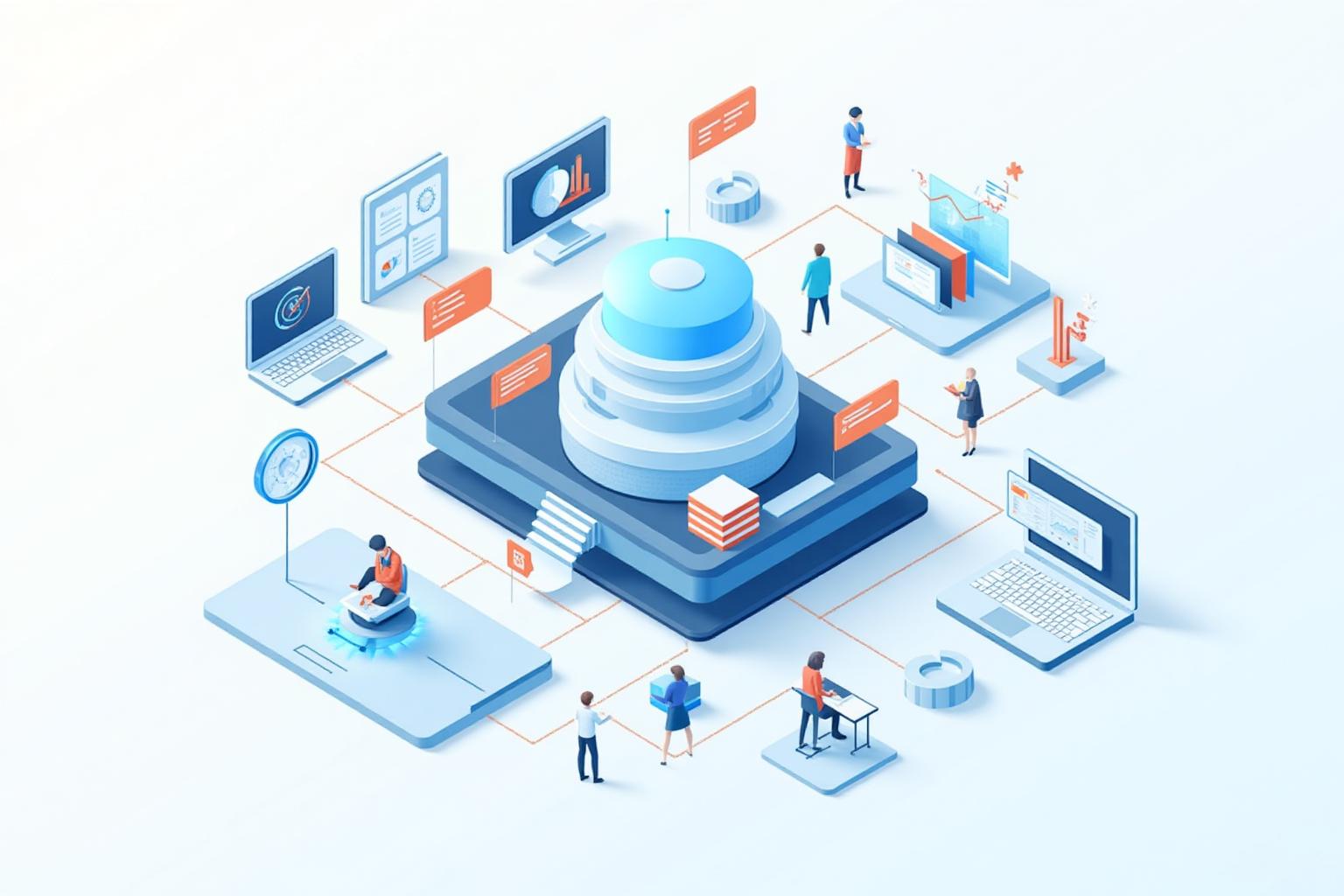
A systemised marketing engine captures, nurtures, and converts demand consistently rather than relying on isolated campaigns.
It owns the entire journey, not just the first click.
Traffic flows into conversion assets. Leads are captured into a CRM. Follow-up happens automatically and immediately. Prospects are nurtured over time instead of forgotten. Performance is measured in pipeline and revenue, not vanity metrics.
This is not about doing more marketing. It is about doing marketing properly.
When this engine is in place, tactics finally have somewhere to land. Ads perform better. Content converts more consistently. Sales conversations improve because prospects arrive warmer and better informed.
Final Perspective
Marketing agencies fail SMEs because they were never designed to solve the real problem SMEs face.
SMEs do not need more ideas, posts, or campaigns. They need a system that captures demand, follows up consistently, and converts attention into revenue.
Once that system exists, tactics become powerful. Until then, changing agencies only rearranges the problem.
The question is no longer “Which agency should we hire next?”
It is “When do we stop renting activity and start installing infrastructure?”