Most SMEs have tried paid advertising at least once.
They boosted a post. They launched Google Ads. They experimented with Meta campaigns. They watched money leave the bank account and waited for the enquiries to arrive.
Sometimes leads came in. Often they didn’t. When they did, quality was mixed. Some were tyre-kickers. Some were unreachable. Some were never followed up properly. A few converted, but not enough to justify the stress.
Eventually, paid advertising was labelled expensive, unreliable, or risky.
That conclusion is understandable, but it is incorrect.
Paid traffic does not fail because PPC platforms are broken. Google Ads works. Meta Ads work. LinkedIn Ads work. Paid traffic fails because most SMEs attempt to use it without first installing the system required to make it predictable.
Ads are launched before the business is structurally ready to convert attention into revenue. Spend happens before clarity exists. Performance is judged before learning has time to compound. And responsibility is placed on the platform instead of the engine behind it.
Paid traffic only works when it is treated as an engine rather than a tactic. Without that engine, PPC is gambling. With it, PPC becomes one of the most controllable, scalable lead generation mechanisms an SME can deploy.
This article explains how SMEs build a Paid Traffic Engine - a complete, structured PPC system that produces consistent, high-quality leads rather than occasional wins.
💡 Key Insight: PPC becomes predictable when it is installed as a complete system - offer, intent, structure, conversion, follow-up and optimisation - not when you simply “run ads”.
Why Most SME PPC Fails: A Structural Diagnosis
PPC failure in SMEs is rarely random. It follows predictable patterns that repeat across industries.
The most common failure is that ads are run in isolation. Paid traffic is treated as “marketing activity” rather than as part of a revenue system. There is no alignment with sales capacity, follow-up processes, or operational reality. Leads arrive into chaos.
The second failure is that money is spent before clarity exists. Businesses pay for clicks before defining who the ideal buyer is, what outcome is being offered, and what the next step should be. Traffic arrives, but there is no clear path forward.
The third failure is poor targeting. Ads are shown to people who are vaguely interested instead of people who are ready to act. This creates cheap clicks but expensive outcomes.
The fourth failure is weak landing experiences. Traffic is sent to homepages or generic service pages that were never designed to convert paid visitors. The message breaks between ad and page, trust is not established, and visitors leave.
The fifth failure is slow or inconsistent follow-up. Leads submit enquiries, then wait hours or days to be contacted. Intent evaporates, and conversion rates collapse.
Finally, performance is judged incorrectly. Campaigns are paused too early, scaled too aggressively, or optimised based on vanity metrics rather than revenue outcomes.
When these structural issues exist, PPC does exactly what it should do. It exposes weaknesses quickly and expensively.
❌ Common Mistake: Blaming the platform when the real problem is the missing system behind the ads - weak offer, weak landing experience, weak follow-up, or poor measurement.
What Paid Traffic Should Actually Do for an SME
Paid traffic has one core purpose: controlled lead generation.
Unlike organic channels, PPC allows a business to decide when it wants demand and how much. That control is its greatest strength.
When installed properly, paid traffic allows SMEs to:
Generate enquiries on demand
Smooth revenue fluctuations
Support forecasting and hiring decisions
Test offers and messaging quickly
Scale what already converts
Reduce reliance on referrals alone
Paid traffic is not designed to replace SEO, referrals, or reputation. It is designed to complement them by adding a controllable lever.
The mistake SMEs make is expecting ads to fix a broken system. Paid traffic amplifies whatever already exists. If conversion is weak, PPC exposes it faster.
Paid Traffic Is an Engine, Not an Ad Account
Most SMEs believe PPC lives inside an ad platform.
In reality, the ad account is only one component of a much larger system.
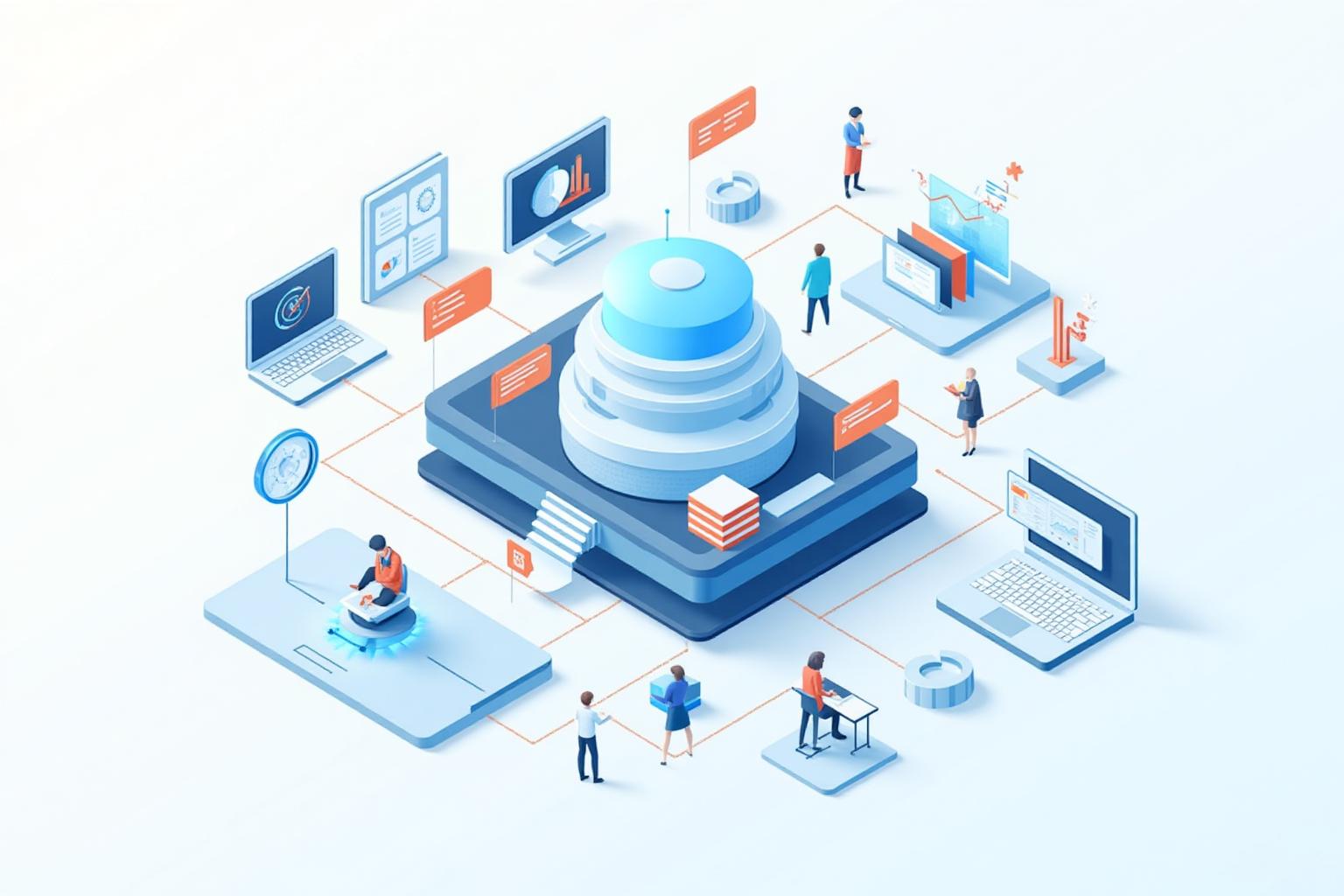
A paid traffic engine includes:
The offer
Buyer targeting logic
Campaign and account structure
Ad messaging and positioning
Landing pages and conversion paths
Tracking and attribution
Retargeting logic
Follow-up automation
Sales handover processes
Performance review cadence
If any of these components are missing, predictability disappears.
Running ads without this engine is like adding fuel to machinery with no controls, no gauges, and no safeguards. Something might move, but it won’t run reliably.
The GTi Paid Traffic Framework
GTi installs paid traffic inside the Business Growth Engine so it connects directly to how the business actually operates.
The framework follows six non-negotiable principles.
📋 The GTi Paid Traffic Framework
Clarity: The offer must be explicit - who it’s for, what it solves, and what happens next
Intent: Traffic must align with buyer readiness, not curiosity
Structure: Campaigns must be organised so performance can be measured and improved
Conversion: Traffic must land on pages designed to convert, not explore
Follow-up: Every lead must be acknowledged and nurtured immediately
Optimisation: Decisions must be driven by data, not emotion
When all six principles are installed, PPC stops feeling unpredictable.
Platform Choice Comes After Strategy
SMEs often start PPC by asking which platform they should use.
Google Ads. Meta Ads. LinkedIn Ads. YouTube. TikTok.
This is the wrong starting point.
The correct starting point is buyer behaviour.
Google Ads captures existing demand. The buyer already knows they have a problem and is searching for a solution.
Meta Ads interrupt attention. They are effective when the problem must be surfaced or reframed.
LinkedIn Ads target roles, industries, and seniority. They suit considered B2B decisions with longer cycles.
No platform compensates for a weak offer or poor conversion path. Strong systems perform across platforms. Weak systems fail everywhere.
Buyer Intent: The Core of Predictable PPC
Intent determines efficiency.
High-intent traffic converts faster and costs less per sale, even if clicks are more expensive. Low-intent traffic looks cheap but leaks money.
Search intent is explicit. Someone searching “emergency electrician near me” wants action now.
Social intent is implicit. Someone scrolling needs to be shown why the problem matters.
Predictable PPC aligns platform choice with intent level.
High urgency suits search
Moderate urgency suits remarketing
Low urgency suits education and nurture
Ignoring intent is one of the fastest ways to waste budget.
Keywords vs Audiences: Two Different Targeting Levers
There are two dominant targeting approaches in PPC.
Keyword-based targeting captures demand. It works when buyers know what they want.
Audience-based targeting shapes demand. It works when buyers need guidance.
Many SMEs blur these approaches without understanding the trade-off.
A predictable paid traffic engine uses keywords to harvest demand and audiences to warm, qualify, and retarget prospects over time.
Campaign Structure: The Difference Between Control and Chaos
Campaign structure is one of the most underappreciated factors in PPC success.
Poor structure hides problems. Good structure exposes them.
Campaigns should be separated by:
Service or offer
Intent level
Geography where relevant
Funnel stage
This separation allows meaningful optimisation. Without it, data blends together and decisions become guesswork.
Structure is what turns PPC from hope into control.
Offers: Where Predictability Actually Begins
No PPC campaign outperforms its offer.
Before writing ads, SMEs must answer fundamental questions:
What outcome does the buyer want right now?
What pain are they trying to escape?
Why should they choose this business?
What happens after they click?
Predictable PPC focuses on outcomes, not credentials.
“Same-day call-out available” converts better than “family-run business since 1995”. “Get qualified leads in 30 days” converts better than “award-winning agency”.
Clarity beats creativity.
Ad Messaging: Matching the Moment
Ads must match the buyer’s mindset at that moment.
High-intent ads should be direct and solution-focused. Lower-intent ads should be educational and problem-aware.
Ad copy works best when it continues the conversation already happening in the buyer’s head.
When ads feel relevant, click quality improves and waste drops.
Landing Pages: Where Most PPC Budgets Are Lost
Sending paid traffic to a homepage is one of the most expensive mistakes SMEs make.
Homepages are designed for exploration. PPC traffic requires direction.
A high-converting landing page does one job: move the visitor to the next step.
Effective landing pages include:
A headline aligned to the ad
Clear explanation of the offer
Specific benefits and outcomes
Social proof and reassurance
A single, obvious call to action
Minimal distraction
If conversion rates are low, the issue is rarely traffic quality alone. It is almost always the landing experience.
⚠️ Warning: If your landing page does not match the promise of your ad, you pay for clicks that were never going to convert.
Conversion Is a System, Not a Button
Conversion optimisation is not about changing colours or fonts.
It is about reducing friction.
Friction exists when the message changes between ad and page, when value is unclear, when trust is missing, or when the next step feels risky.
A paid traffic engine aligns messaging from ad to page to follow-up so momentum is maintained.
Retargeting: Where Predictability Is Reinforced
Most visitors do not convert on the first visit.
Retargeting exists to bring them back.
This is where PPC becomes efficient and predictable.
Retargeting allows SMEs to:
Stay visible to warm prospects
Reinforce the offer
Address objections
Improve conversion rates
Lower overall acquisition costs
Without retargeting, PPC campaigns leak value.
Follow-Up: The Highest-Leverage PPC Variable
Follow-up speed and consistency matter more than most SMEs realise.
The highest intent moment is immediately after a lead submits an enquiry.
Every minute of delay reduces conversion probability.
Predictable PPC includes:
Instant lead acknowledgement
Automated follow-up sequences
Clear sales handover
Visibility on response times
Paid traffic creates opportunity. Follow-up converts it into revenue.
PPC Metrics That Actually Matter
Clicks do not build pipelines.
Impressions do not close deals.
The metrics that matter are outcome-driven.
Cost per qualified lead
Conversion rate from click to enquiry
Response time to lead
Cost per sale
Lead-to-customer conversion rate
Revenue per campaign
Predictability comes from managing these numbers consistently.
Testing and Optimisation: How PPC Improves Over Time
Testing is not random experimentation.
Effective testing isolates variables.
One change at a time
Clear hypotheses
Enough data before decisions
Documented learning
Predictable PPC improves because learning compounds. Each test informs the next.
Constantly changing everything prevents progress.
Budgeting for Predictability
Predictable PPC does not require massive budgets.
It requires consistent budgets.
Small, steady spend allows data to accumulate and algorithms to learn. Turning ads on and off resets learning and increases waste.
Budget should be treated as fuel for learning, not a gamble.
Sales Capacity and Operational Alignment
A hidden PPC failure point is capacity.
If sales teams cannot respond quickly, handle objections, or follow a process, PPC performance collapses regardless of ad quality.
Paid traffic must align with operational reality. More leads are not always better leads.
Predictable PPC scales responsibly.
How PPC Fits Into the Business Growth Engine
GTi installs PPC inside the Business Growth Engine so it connects to:
CRM visibility
Message marketing automation
Conversion reporting
Sales performance data
Quarterly review rhythm
This integration is what makes PPC reliable. Ads are no longer isolated activity. They are part of a system.
Explore the wider engine here: Business Growth Engine. Learn more about this service line here: PPC Lead Generation.
Common PPC Mistakes SMEs Must Avoid
Launching ads before fixing conversion
Sending traffic to generic pages
Changing too many variables at once
Judging results too early
Ignoring follow-up speed
Optimising for cheap clicks instead of quality leads
Avoiding these mistakes often improves performance immediately.
When Paid Traffic Becomes Predictable
PPC becomes predictable when:
The offer is clear
Intent is respected
Campaigns are structured
Landing pages convert
Retargeting reinforces
Follow-up is automated
Metrics are reviewed consistently
At that point, spend becomes an input, not a risk.
Frequently Asked Questions
Why do most SMEs struggle with PPC?
Because ads are launched without a complete system behind them. PPC fails when offers, targeting, landing pages, and follow-up are disconnected.
What makes an ad campaign predictable?
Structure, intent-led targeting, disciplined testing, strong conversion paths, and fast follow-up.
Do I need a high-converting landing page for PPC?
Yes. Paid traffic should almost never be sent to a homepage. Dedicated landing pages are essential for predictable performance.
Closing: Owning a Paid Traffic Engine
Paid traffic is not magic. It is mechanics.
When installed as a system, PPC becomes one of the most controllable growth levers an SME can build.
It allows businesses to generate leads deliberately, test offers quickly, and scale with confidence rather than hope.
That is the difference between running ads and owning a paid traffic engine.
ℹ️ Next Step: Book a FREE Strategy Session and we’ll map the Paid Traffic Engine your business needs to generate predictable, high-quality leads without wasted spend.