Most SMEs believe growth comes from doing more marketing. More ads. More content. More campaigns. More activity.
But when you examine what actually happens inside most small and medium-sized businesses, growth is not being blocked by a lack of demand. It is being blocked by silence.
Leads enquire and hear nothing back for hours or days. Quotes are sent once and never followed up. Customers buy, receive the service, and then disappear from communication entirely. Past clients who already trusted the business slowly forget it exists, not because they were unhappy, but because there was no reason to remember.
This silence is not intentional. It is structural.
It is the result of businesses relying on memory, inboxes, calendars, and good intentions instead of systems. As soon as the business gets busy, follow-up slips. As soon as staff change, relationships disappear. As soon as the founder steps back, revenue becomes unpredictable.
💡 Key Insight: Message marketing exists to solve this exact problem. Not by sending more messages, but by installing a system that ensures the right message is delivered to the right person at the right time, without relying on motivation, reminders, or manual effort.
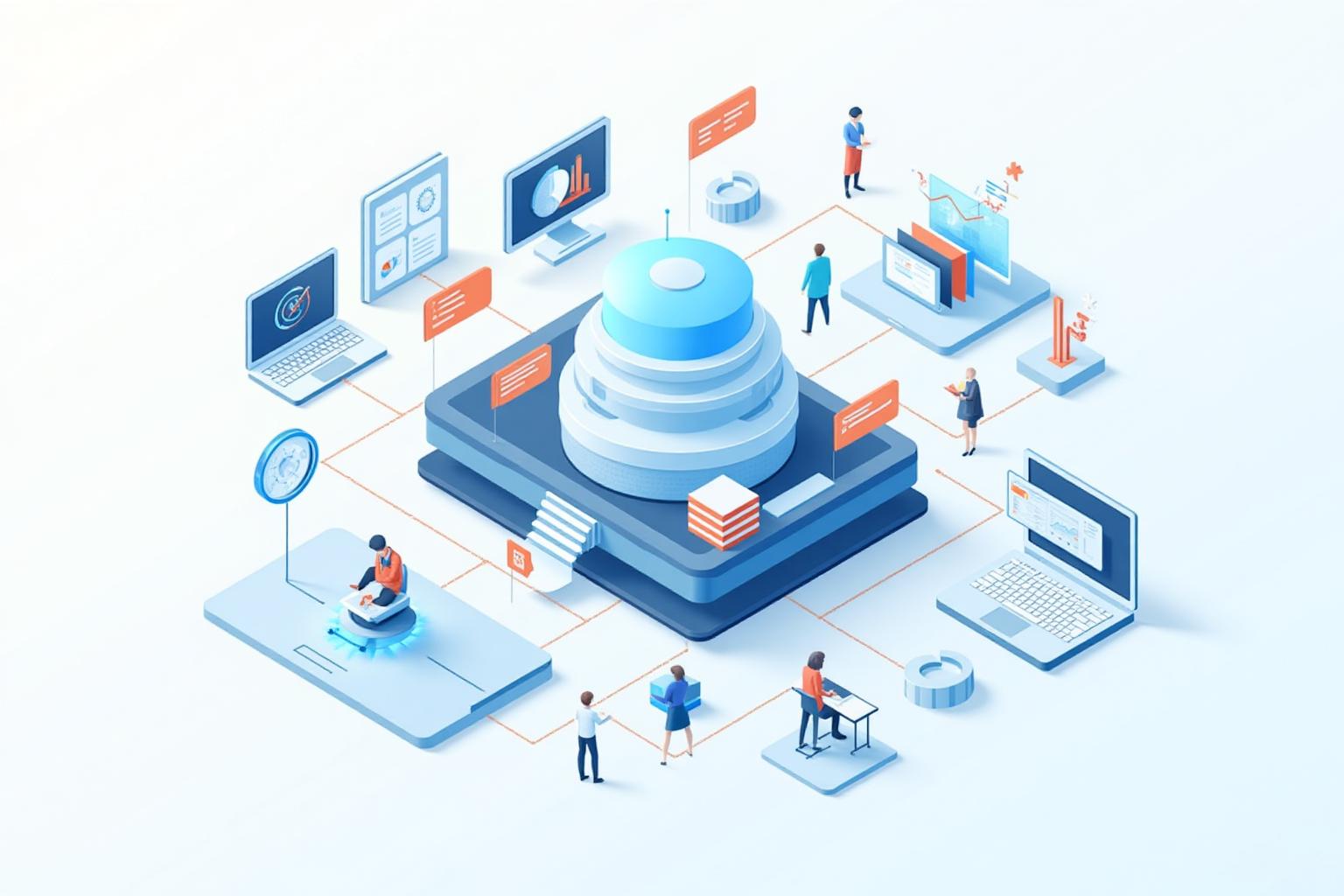
When done properly, message marketing turns email, SMS, and WhatsApp into a single, coordinated revenue system. One that reactivates dormant relationships, increases customer retention, and compounds growth quarter after quarter.
Why SMEs Lose Revenue Without Realising It
Revenue leakage in SMEs rarely looks dramatic. There is no alarm bell when a lead goes quiet. No warning notification when a customer never returns. No report showing how many people would have bought if someone had simply followed up.
Instead, the symptoms appear gradually.
Strong months followed by weak ones.
Constant pressure to generate new leads.
Marketing spend rising without clear ROI.
Founders stuck selling instead of building.
A persistent feeling of starting again every month.
In almost every case, the underlying cause is the same. Follow-up is inconsistent, reactive, and dependent on people remembering to do it.
Most SMEs do not lack effort. They lack structure.
They rely on inboxes to remind them who to follow up with. They rely on salespeople to remember who needs chasing. They rely on the founder to hold everything together. That approach can work at a very small scale, but it collapses as soon as the business grows.
Message marketing removes this fragility by replacing memory with systems.
What Message Marketing Actually Is
Message marketing is often misunderstood because it is confused with individual tools or channels.
It is not email marketing on its own.
It is not SMS blasts.
It is not manually sending WhatsApp messages.
Message marketing is the systemised use of automated communication across email, SMS, and WhatsApp, triggered by behaviour, timing, and customer lifecycle stage.
The emphasis is on systemised.
Messages are not sent because someone remembered. They are sent because a rule was met.
That rule might be:
A new enquiry was submitted.
A quote was not accepted within seven days.
A customer has been inactive for ninety days.
A delivery milestone has been reached.
A subscription is about to expire.
When these rules are clearly defined and automated, silence stops being accidental. Every contact receives appropriate follow-up by default.
This is what separates message marketing from “sending messages”. One is random. The other compounds.
Why Channel Choice Matters Less Than Timing
SMEs often debate which channel is best. Email versus SMS. SMS versus WhatsApp. WhatsApp versus phone calls.
This is the wrong conversation.
The channel matters far less than the timing and relevance of the message.
A perfectly timed email that arrives exactly when a customer is ready to act will outperform a badly timed SMS every time. A helpful WhatsApp message sent at the right moment will beat any generic newsletter.
Each channel has a role, but none of them work in isolation. The power comes from coordination, not preference.
The Role of Email in Message Marketing
Email is the backbone of most message marketing systems. It excels at depth, context, and education.
Email is best used for:
Lead nurturing over time.
Customer onboarding.
Setting expectations.
Explaining value.
Reactivating dormant contacts with narrative.
Email allows space to explain why something matters. It builds understanding and trust. It is not urgent by nature, but it is powerful when used consistently and deliberately.
❌ Common Mistake: The most common mistake SMEs make with email is treating it as a broadcast channel. Sending the same newsletter to everyone ignores where people actually are in their journey.
Effective message marketing uses email as a lifecycle tool, not a megaphone.
The Role of SMS in Message Marketing
SMS is about speed and visibility.
It is not designed for long explanations. It is designed to be seen and acted on quickly.
SMS works best for:
Immediate lead follow-up.
Appointment reminders.
Short prompts to take action.
Time-sensitive messages.
Because SMS is intrusive by nature, it must be used deliberately. When every message has a clear purpose, response rates are high. When SMS is overused, trust is destroyed quickly.
The best message marketing systems treat SMS as a scalpel, not a hammer.
The Role of WhatsApp in Message Marketing
WhatsApp sits between automation and conversation.
It feels personal, even when it is system-triggered. That makes it powerful for high-intent scenarios where friction needs to be removed.
WhatsApp is particularly effective for:
Two-way follow-up.
Service updates.
High-value prospects.
Reducing friction in conversations.
The key is clarity. WhatsApp should feel like a continuation of an existing relationship, not a marketing broadcast pretending to be personal.
Why Message Marketing Must Be a System
Tools do not create results. Systems do.
A real message marketing system has five non-negotiable components.
📋 The five non-negotiable components
First, centralisation. All leads and customers must live in one CRM. If data is scattered across inboxes, spreadsheets, and disconnected tools, automation is impossible.
Second, segmentation. Contacts must be grouped by behaviour and lifecycle stage. New leads, active customers, dormant contacts, and past clients all require different messages.
Third, triggers. Messages must be fired by actions or time rules. Not by someone remembering to send them.
Fourth, sequencing. One message is rarely enough. Effective follow-up happens over multiple steps, across multiple channels, with clear logic and stopping conditions.
Fifth, measurement. Response, conversion, and revenue must be tracked. If you cannot see what is working, you cannot improve it.
Miss any one of these elements and the system breaks. Install all five and message marketing becomes an asset that compounds.
Sequencing: How Message Marketing Actually Works in Practice
One of the biggest gaps in SME marketing is sequencing. Businesses send one message and hope for the best.
In reality, buying decisions rarely happen after a single touch.
A proper message sequence considers:
What triggered the sequence.
Where the contact is in their journey.
Which channel is most appropriate.
What happens if they engage.
What happens if they do not.
👉 Example sequence logic
For example, a quote follow-up sequence might include an email explaining the proposal, followed by an SMS reminder two days later, followed by a final check-in message a week later. If the prospect responds at any point, the sequence stops.
This logic is what turns follow-up from chasing into service.
Reactivation: The Fastest ROI for SMEs
Reactivation is where message marketing delivers its quickest returns.
Most SMEs are sitting on years of dormant contacts who already know the business. They have enquired, bought, or engaged in the past. They did not disappear because they were unhappy. They disappeared because the relationship was not maintained.
Reactivation sequences bring these relationships back to life deliberately.
A typical reactivation sequence might include:
A friendly check-in.
A reminder of past work or results.
A relevant insight or offer.
A simple invitation to reply.
When done properly, reactivation does not feel pushy. It feels timely.
Businesses are often surprised by how many people respond with “I was just thinking about this” or “Thanks for reaching out”. That is not luck. It is relevance.
Retention: Where Message Marketing Compounds Long-Term
Retention is rarely intentional in SMEs. It is usually assumed rather than designed.
Customers buy, receive the service, and then disappear from communication until the business wants to sell something again.
Message marketing changes this by maintaining relevance after the sale.
Retention messaging might include:
Onboarding sequences that reduce friction.
Usage reminders that increase success.
Educational content that reinforces value.
Review and feedback requests.
Cross-sell and upsell prompts based on behaviour.
Each message reinforces the relationship and increases lifetime value.
Over time, this reduces reliance on new lead generation and smooths revenue volatility.
Measuring What Actually Matters in Message Marketing
One of the advantages of message marketing is visibility. Every interaction can be tracked.
However, many SMEs focus on the wrong metrics.
⚡ Important: Open rates and click rates are useful, but they are not the goal. Revenue behaviour is.
Meaningful message marketing metrics include:
Response rate by channel.
Time to first response.
Reactivation conversion rate.
Repeat purchase rate.
Revenue per contact.
When these metrics are visible, sequences can be refined quarter by quarter. This is how message marketing improves over time instead of stagnating.
Compliance, Consent, and Trust
Message marketing only works when trust is maintained.
SMEs must respect consent, preferences, and expectations. Email, SMS, and WhatsApp all have different rules and social norms.
The goal is not maximum frequency. It is maximum relevance.
Clear opt-ins, sensible timing, and easy opt-outs protect both the business and the relationship. Long-term performance always beats short-term volume.
Why Manual Follow-Up Always Fails
Manual follow-up works in theory. In practice, it collapses under pressure.
It fails when the business gets busy.
It fails when staff leave.
It fails when priorities shift.
It fails when the founder steps back.
Automation removes human fragility from revenue-critical communication.
This does not remove personalisation. It protects it.
Automation ensures the basics always happen, so human effort can be focused where it matters most.
How SMEs Should Start with Message Marketing
The biggest mistake SMEs make is trying to automate everything at once.
The correct approach is to start small and build.
Every SME should begin with three core sequences.
First, new lead follow-up. Every enquiry should receive immediate acknowledgement and structured follow-up.
Second, dormant contact reactivation. Contacts who have gone quiet should be re-engaged systematically.
Third, post-sale retention. Customers should hear from the business after the sale, not just before it.
☑️ Starter checklist for your first 30 days
Centralise all contacts into one CRM.
Define lifecycle stages: new lead, active customer, dormant, past customer.
Create three sequences: new lead follow-up, dormant reactivation, post-sale retention.
Add clear stop conditions so sequences pause when someone responds.
Track response rate, time to first response, and reactivation conversion rate.
Once these are working, additional sequences can be layered in logically.
How GTi Installs Message Marketing
GTi does not sell message marketing as a standalone tactic.
It is installed as part of the Business Growth Engine, alongside CRM, automation, reporting, and strategic oversight.
This ensures message marketing is integrated with sales and operations, driven by data rather than guesswork, measured by outcomes instead of activity, and designed to compound over time.
The result is a system that works quietly in the background, reactivating, retaining, and converting customers without constant manual effort.
Explore how it fits into the wider engine here: Business Growth Engine. Or go deeper on this service line here: Message Marketing.
Frequently Asked Questions
What’s the difference between email and SMS marketing?
Email is best for education, nurture, and context. SMS is best for urgency and reminders. Used together, they reinforce action.
How do SMEs use message marketing to increase retention?
By staying visible after the sale with onboarding, reminders, and value-driven communication that encourages repeat engagement.
Can message marketing be automated?
Yes. Automation is essential. Without it, message marketing becomes inconsistent and unreliable.
Turning Silence Into Predictable Revenue
If your business relies on memory, inboxes, or manual follow-up, revenue is leaking.
Message marketing replaces silence with structure. It ensures relationships are maintained, opportunities are reactivated, and customers are retained intentionally.
When installed properly, it turns existing contacts into a predictable revenue engine rather than a forgotten database.
ℹ️ Ready to install this properly? Book a FREE Strategy Session and we’ll map the message marketing system your business needs to reactivate and retain customers consistently.