Why SMEs Need a Budget Survival Playbook – Not Just a Summary
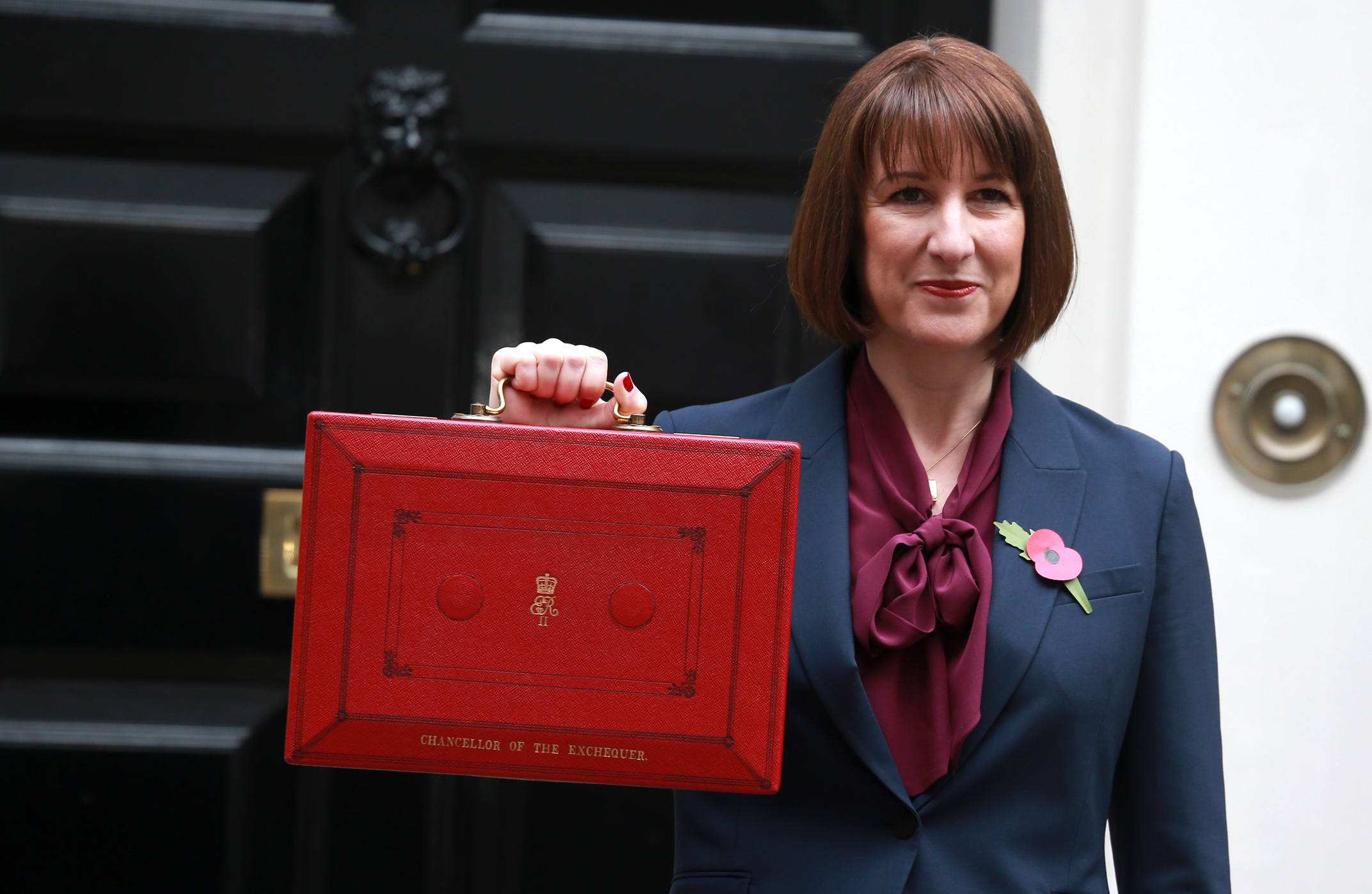
Every UK business owner has lived through difficult Budgets, but Rachel Reeves’ November 2025 Budget lands at a moment when the stakes feel higher than usual. Costs are still rising, wages remain under pressure, consumers are cautious, and many owner-managed firms have become more financially fragile than they like to admit. A Budget that raises taxes on dividends and investment income while reshaping business rates only adds to the sense of uncertainty.
But here is the truth most SMEs miss: a Budget does not decide your success. It simply redraws the conditions in which you must operate. The winners are not the businesses who complain loudest about the Chancellor. The winners are the ones who adapt the fastest, get structured the quickest, and execute with the most discipline.
This article is not another Budget summary. You already know the headlines. This is your survival and performance playbook – a practical, systems-led guide to navigating the next 12 months with clarity, rhythm and control. By the end, you will have a framework you can apply immediately: one built on GTi’s Chaos → Cadence → Compounding Value model and the proven engines of GrowthOps and RhythmOps.
💡 Key Insight:
Your biggest risk this year is not the tax rise itself – it is the lack of operational rhythm and financial visibility that causes small problems to compound silently over time.
Let’s get you on the front foot with a simple, repeatable system any SME can implement within days.
The Budget’s Impact Areas: What SMEs Must Focus On First
Before building your playbook, clarify where this Budget will hit you. Business owners often get lost in commentary when the real-world effect is narrower and more predictable across four areas: owner pay, occupancy costs, labour costs, and cash flow resilience. These four determine 80% of your operational stability over the next year.
1. Owner Pay & Profit Extraction (Dividends and Personal Tax)
Reeves’ Budget confirms increases to dividend tax rates from April 2026, plus frozen tax thresholds that quietly push more income into higher bands. For the classic SME director model (low salary + dividends), this is a significant shift.
Your profit extraction strategy is no longer an annual afterthought. It must be part of your quarterly financial rhythm.
❌ Common Mistake:
Waiting until year-end to adjust how you pay yourself. By then, the tax exposure is already locked in.
2. Business Rates & Occupancy Costs
The Budget permanently lowers multipliers for many retail, hospitality and leisure properties starting April 2026, while also capping rises for small firms losing reliefs. This creates opportunities – but also traps.
Some SMEs will benefit significantly.
Others will see no change.
A few (especially larger multi-site operators) may see higher total charges.
This means you must know your classification, valuation and relief eligibility, not guess.
3. Labour Costs, Wage Pressure & Talent
Wages remain the largest cost line for most small businesses. With the cost of living still elevated, staff will expect pay progression. The Budget doesn’t directly impact wages, but the combination of tax changes and inflation does.
You cannot let wage increases outpace productivity increases – or your margins will evaporate.
4. Cash Flow, Working Capital & Risk Exposure
The biggest danger for SMEs post-Budget is cash flow whiplash – sudden stress caused by poorly timed tax bills, delayed customer payments or unexpected cost increases.
Your ability to maintain a steady operating rhythm is what prevents “surprise cash drownings”. RhythmOps exists for exactly this reason.
⚡ Important:
The Budget doesn’t break businesses. A lack of forecasting, rhythm and financial discipline does.
The SME Survival Playbook: A Systems-First Framework
The rest of this guide walks you through the GTi survival playbook – a five-part operational system that keeps your business stable, profitable and in control regardless of political or economic noise.
This system aligns directly with GrowthOps (clarity + planning) and RhythmOps (weekly execution + accountability). Together, they form a simple, reliable engine that protects your business from volatility.
1. Build Your Budget-Control Dashboard (Your “Single Source of Truth”)
The first step in regaining control is visibility. Most SMEs are running on outdated spreadsheets, disconnected systems, or “gut feel”. After a disruptive Budget, this is fatal.
You need a clear, unified dashboard that shows:
Forecasted monthly cash for the next 13 weeks
Forecasted profit and loss for the next 12 months
Owner pay exposure under the new dividend regime
Business rates projections for 2025–2027
Payroll and employment cost trajectories
This is your “Budget truth board”. Without it, you’re steering blind.
📋 Framework: The SME Visibility Stack
Your dashboard should include:
Financial visibility: 13-week cash + 12-month forecast
Operational visibility: capacity, workloads, bottlenecks
Commercial visibility: leads, pipeline, conversion, sales velocity
Strategic visibility: top quarterly priorities
If it’s not visible, it’s not manageable. If it’s not manageable, it will drift.
Your dashboard becomes the anchor for all decision making. It is your control room.
2. Reset Your Quarterly Rhythm (RhythmOps in Practice)
Once visibility is restored, you must install an operating rhythm. This is what prevents Budget uncertainty from turning into operational chaos. RhythmOps is built on one principle: predictable performance comes from predictable cadence.
A Budget survival plan without rhythm is just a list. A plan with rhythm becomes execution.
Your Quarterly “Budget-Proofing Reset”
Every quarter, run a structured planning session where you:
Review the last 90 days of performance
Decide the Power of 1 – the single number that matters most
Prioritise the three biggest levers for profit and stability
Update your 13-week execution plan
Assign clear ownership to each priority
👉 Step: Set Your Financial “Power of 1”
Choose the one metric that gives your business the greatest stability this quarter. Examples:
Cash buffer increased to £X
Gross margin improved by 3%
Overheads reduced by £X
Debtor days reduced from 42 → 28
This single focus keeps the business disciplined while the Budget environment evolves.
Without a Power of 1, your team will default to busyness rather than progress.
3. Strengthen Your Financial Position (Margins, Cash, and Resilience)
You can’t control government policy, but you can control how financially resilient you are. SMEs that survive turbulent periods share the same traits: they stay liquid, they protect margins, and they avoid letting fixed costs outpace revenue growth.
Optimise Pricing with Clarity, Not Fear
If your costs are increasing due to taxation, wage pressure or supplier pricing, your pricing must adapt too. The biggest mistake SMEs make is holding prices artificially low because they don’t want to upset customers – only to discover that their margin erosion is irreversible.
⚠ Warning:
If you don’t review pricing this quarter, the Budget will hit your margins before you even notice.
Use a strategic approach:
Value-based pricing for services
Tiered pricing for customers with different needs
Bundling to increase spend per customer
Inflation indexing on long-term contracts
Tighten Working Capital Before It Tightens You
Late payments, bloated stock and loose terms kill more businesses than any Chancellor. After this Budget, you need strict discipline:
Chase invoices weekly, not monthly
Shorten payment terms for new clients
Avoid taking on work without deposits
Run a weekly 13-week rolling cash forecast
💡 Pro Tip:
If you improve debtor days by even 5–10 days, you may never need a loan or overdraft again.
Build a Cash Buffer (Target 2–3 Months of Costs)
Your buffer is your oxygen tank. Most SMEs suffocate not because they are unprofitable, but because they are illiquid. Aim to build a minimum reserve equal to two months of operational costs, even if it takes six to nine months to get there.
4. Re-engineer Your Owner Pay Strategy
One of the most overlooked impacts of the November 2025 Budget is the personal financial exposure it creates for owner directors. With dividend tax rising in 2026 and thresholds frozen, many SME owners will take home less unless they adapt.
Instead of reacting emotionally, take a systematic approach:
Model different salary/dividend splits
Use pension contributions strategically
Retain more profit to strengthen liquidity
Reassess director loans where applicable
📝 Example:
An agency owner taking £80k per year via dividends will see a smaller net income once changes hit. But by rebalancing extraction (40% salary, 60% dividends) and increasing pension contributions, they can reduce tax exposure while strengthening long-term resilience.
This isn’t about beating the tax system. It’s about aligning your personal income strategy with a changing landscape.
5. Reinforce Team Alignment & Accountability
You cannot implement a Budget survival plan alone. Your team must understand the new priorities and operate with discipline. Chaos happens when staff continue behaving “as usual” while the environment around them has changed.
Install a Weekly Rhythm (The Heartbeat of the Business)
A 20-minute weekly meeting is enough to align everyone if it follows a structured agenda:
Key numbers
Progress on quarterly priorities
Roadblocks
Critical decisions
This transforms your plan from “something in a document” into “something we live every week”.
✅ Success Story:
A manufacturing SME implemented a 20-minute weekly rhythm just before the 2023–24 rate hikes. Within two quarters, OTIF improved by 17%, cash flow stabilised and customer complaints dropped. Rhythm creates execution.
How to Communicate Change Without Spooking Your Team
Your employees don’t need to know every technical detail of the Budget. But they do need clarity on:
What stays the same
What is changing
Why it matters
How they can help
This transparency builds trust and prevents fear-driven behaviour (e.g., job security anxiety, resistance to change, or reduced productivity).
ℹ Communication Tip:
When communicating Budget impacts internally, always link the change to a positive action: “We are doing X so we can stay strong and protect jobs.”
Your 90-Day SME Survival Action Plan
Here is a concise 90-day plan you can implement immediately. Treat it as your Budget survival sprint.
☑ 90-Day Implementation Checklist
Complete your 12-month forecast and 13-week cash model
Install your weekly RhythmOps meeting
Identify your quarterly Power of 1
Update pricing strategically
Strengthen debtor controls
Review rates classification and relief eligibility
Model salary/dividend/pension scenarios
Build or begin building a cash buffer
Talk openly with your team about priorities
What Success Looks Like Over the Next 12 Months
If you follow this systems-led playbook, here’s what running your business through 2026 will feel like:
You are no longer reacting to financial shocks.
You know your numbers 90 days ahead.
Your team understands exactly what matters now.
Your cash position strengthens quarter by quarter.
Your margins improve even if costs rise.
You feel more in control than you ever have.
A Budget cannot guarantee growth — but a business with visibility, rhythm and disciplined execution can achieve it under almost any circumstances.
Frequently Asked Questions
1. How quickly should I respond to the Budget changes?
Within the next 30 days. Financial drift becomes expensive quickly. Start by building your forecast and resetting your operating rhythm.
2. Do I need to change how I pay myself?
Almost certainly. The upcoming tax rise on dividends means many SME owners will need a new extraction strategy by April 2026.
3. What if demand drops because customers have less disposable income?
Refine your pricing strategy, strengthen your offer, and increase marketing frequency. Businesses that communicate more during downturns gain market share.